
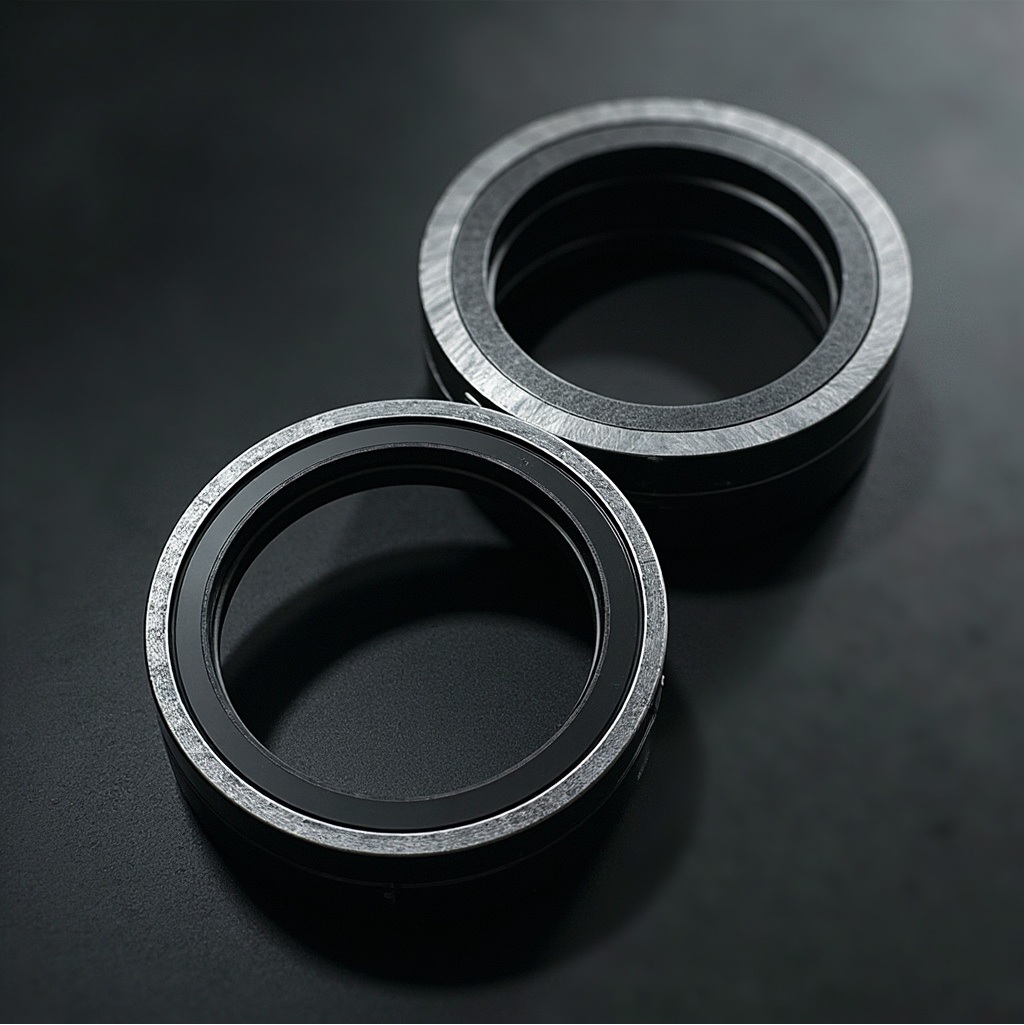
 If your intensive mixer starts sounding like a dying coffee grinder, you have already waited too long. The seals and bearings are the unsung heroes of your machine, and they do not send polite reminders when they are about to fail. They just scream, leak, or seize up in the middle of a production run. Let’s cut the fluff and talk about what actually keeps these components alive.
First, understand that heat is the enemy of every seal and bearing in your REFAMIX mixer. The rubber compounds and friction generated during mixing create temperatures that can cook the lubricant right out of a bearing or harden a seal until it cracks. Do not wait for the machine to cool down naturally before you inspect these parts. Make it a habit to check them while the system is warm but not scorching. A warm seal is pliable and easier to assess for wear. A cold seal might hide a hairline crack that will blow out under pressure.
Now, let’s talk about lubrication. Bearings are not self-sufficient. They need a steady diet of the right grease, and over-greasing is just as dangerous as under-greasing. When you pump too much grease into a bearing housing, the excess has nowhere to go. It builds pressure, forces the seal lips open, and invites contamination. The result? Grit gets in, the bearing grinds down, and you are replacing the whole assembly in a month. Stick to the manufacturer’s recommended grease volume and frequency. For REFAMIX mixers, a light, consistent hand on the grease gun is better than a heavy one.
Seals deserve a different kind of attention. They are not just rubber rings; they are precision barriers. If you see a small weep of oil or compound around the shaft, do not shrug it off as normal. That tiny leak is a warning that the seal lip is losing its grip. The most common cause is shaft wear. If the shaft surface is scored or pitted, no new seal in the world will hold. Run your fingernail across the shaft contact area. If you feel a groove, you are polishing a turd by just swapping the seal. You need to either polish the shaft or replace it.
Another overlooked factor is alignment. A misaligned motor or coupling puts lateral force on the bearings and seals that they were never designed to handle. This creates uneven wear patterns that show up as hot spots and vibration. Every time you perform maintenance on your REFAMIX intensive mixer, throw a dial indicator on the coupling and check the alignment. It takes ten minutes and can double the life of your bearing set.
Do not forget about the environment. Your mixer might be in a dusty, humid, or chemically aggressive area. Seals and bearings do not care about your production schedule. They care about what is floating in the air. If your plant has airborne silica or abrasive powders, those particles will find their way into every gap. Install positive pressure seals or air purge systems if you can. If not, at least keep the area around the mixer clean and wipe down the shaft seals after each shift.
Finally, keep a log. Not a fancy digital one, just a notebook. Write down the date you greased each bearing, the temperature of the housing, and any unusual noise. Patterns emerge over time. You will start to see that a certain bearing always runs ten degrees hotter after a heavy batch. That is your cue to inspect it before it fails. A log turns guesswork into data.
The bottom line is this: seals and bearings are cheap compared to a catastrophic failure that shuts down your line for three days. Treat them with respect, check them often, and never assume they will hold until next month. Your REFAMIX mixer will reward you with years of reliable, high-output performance.
