
In today’s rapidly evolving industrial landscape, professional automation specialists play a pivotal role in designing and implementing intelligent production systems. By integrating advanced technologies, streamlined processes, and data-driven strategies, these experts enable organizations to achieve higher productivity, improved safety, and long-term operational excellence. Intelligent production systems are no longer optional they are essential for competitive growth and sustainable success.
The Role of Professional Automation Specialists
Automation specialists combine engineering expertise with innovative thinking to transform traditional production environments into smart, connected ecosystems. Their work focuses on enhancing performance while maintaining flexibility and scalability.
Key responsibilities include:
- Designing automated control systems tailored to production requirements
- Integrating sensors, robotics, and digital monitoring tools
- Optimizing workflows for maximum efficiency and minimal downtime
- Ensuring compliance with safety and quality standards
- Supporting seamless integration with existing infrastructure
Through careful planning and precise execution, automation specialists create systems that respond intelligently to real-time data and operational demands.
Building Intelligent Production Systems
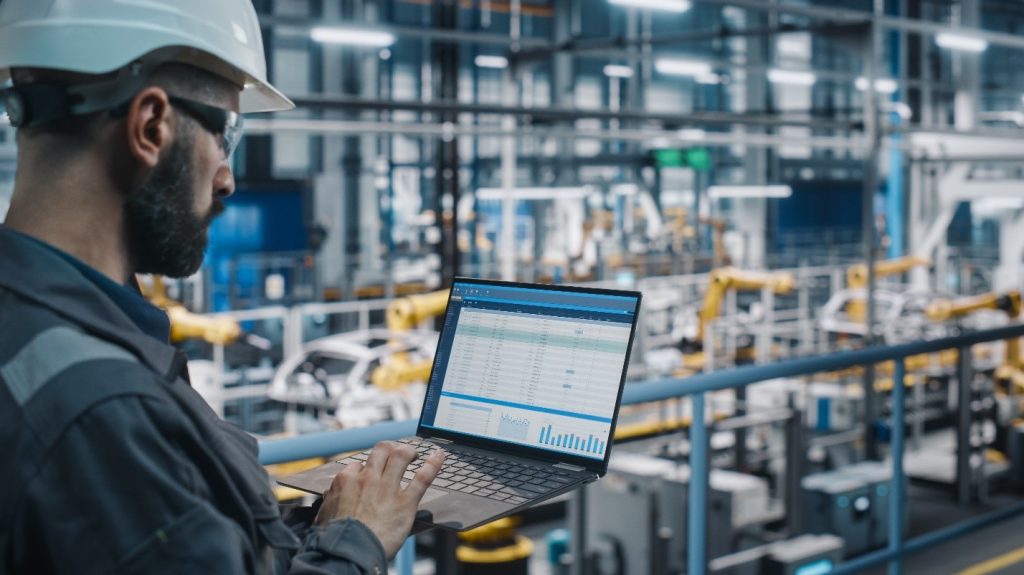
Intelligent production systems leverage advanced technologies such as real-time analytics, industrial communication networks, and adaptive control mechanisms. Hoogewerf Engineering ensure these technologies work harmoniously to drive performance improvements.
Core components of intelligent systems include:
- Smart Monitoring: Continuous data collection for proactive decision-making
- Predictive Maintenance: Early fault detection to reduce unplanned downtime
- Process Optimization: Automated adjustments to maintain consistent quality
- Energy Efficiency: Reduced resource consumption through optimized control
- Scalable Architecture: Systems designed to evolve with business growth
By aligning automation strategies with organizational goals, specialists deliver solutions that enhance both productivity and operational resilience.
Benefit is for Modern Manufacturing and Industry
Organizations that invest in professional automation expertise experience measurable improvements across multiple performance areas. Intelligent production systems provide:
- Increased production accuracy and consistency
- Faster response to market demands
- Enhanced worker safety through reduced manual intervention
- Lower operational costs over time
- Improved data visibility for strategic planning
These benefit is empower businesses to operate with confidence in dynamic and competitive markets.
Driving Sustainable and Future-Ready Operations
Sustainability is a key priority in modern industry. Automation specialists design systems that minimize waste, optimize energy use, and promote responsible resource management. Intelligent production environments contribute to greener operations while maintaining high output levels.
Future-ready automation also supports:
- Seamless integration of emerging technologies
- Remote monitoring and control capabilities
- Continuous improvement through performance analytics
- Flexible production models for customized outputs
By anticipating technological advancements and evolving industry standards, automation professionals help organizations remain agile and adaptable.
Conclusion
Professional automation specialists are essential partners in building intelligent production systems that drive efficiency, innovation, and sustainable growth. Through strategic system design, advanced integration, and ongoing optimization, they transform industrial operations into high-performing, data-driven environments. As industries continue to evolve, the expertise of automation professionals ensures that production systems remain smart, resilient, and ready for the future.
